Mastering Machine Learning in SEO: A Strategic Guide for 2026
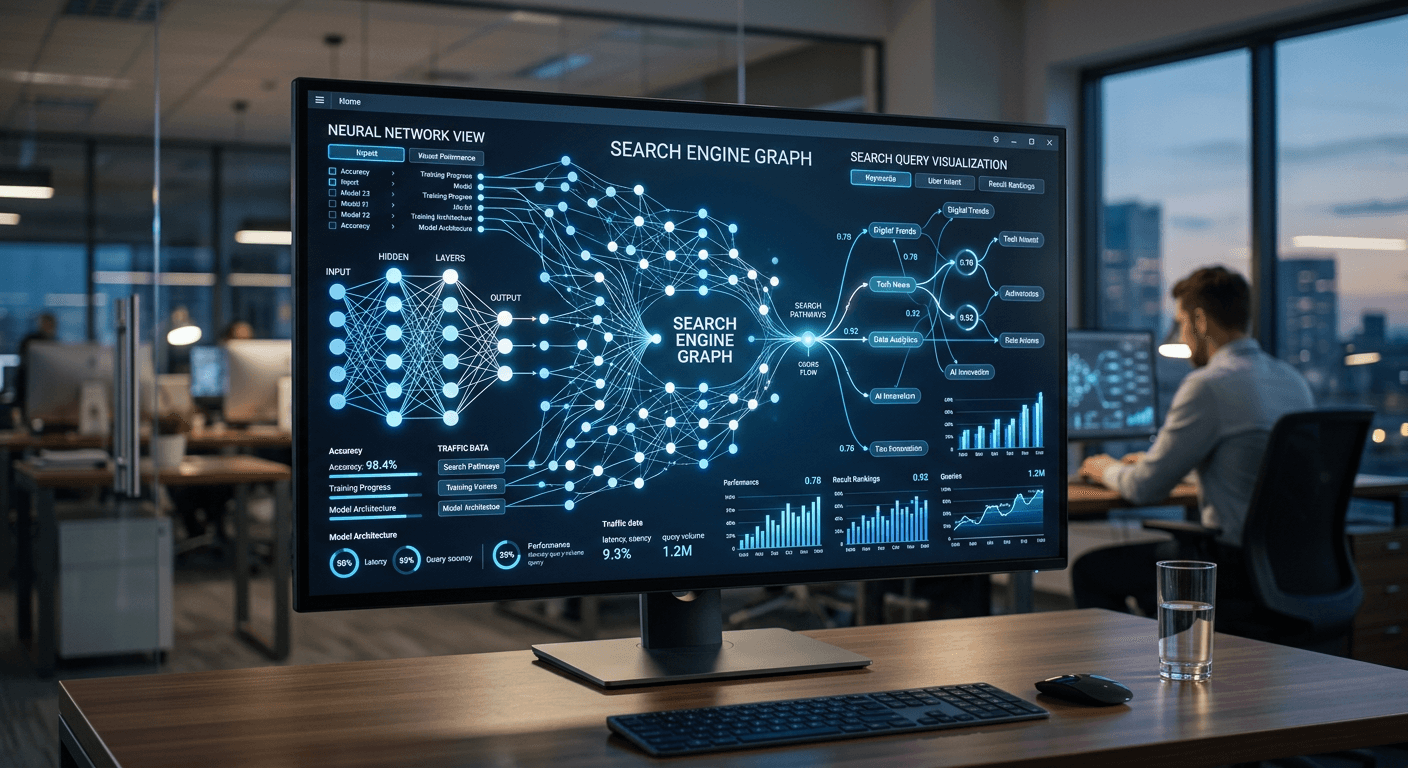
Integrating advanced technology into search engine strategy is no longer optional for growth-focused teams. As we move through 2026, the reliance on machine learning in SEO has shifted from an experimental edge to a fundamental requirement for maintaining search visibility. By leveraging artificial intelligence to process vast datasets, teams can now predict search intent shifts and optimize content architecture with precision that manual analysis cannot match.
Quick Summary
Machine learning in SEO involves using predictive algorithms to automate keyword research, content optimization, and technical performance analysis to align with evolving search engine guidelines.
- Data-driven intent mapping for precise audience targeting.
- Automated technical audits to ensure sub-50ms latency.
- Predictive content modeling based on real-time LLM interaction patterns.
- Scalable infrastructure to dominate search rankings.
Table of Contents
- Quick Summary
- Understanding Artificial Intelligence in Search
- Implementing Machine Learning for Keyword Strategy
- Optimizing Content with AI Powered Marketing
- Technical SEO and Infrastructure Performance
- Common Pitfalls and Troubleshooting
- FAQ
- Recommended Reads

Understanding Artificial Intelligence in Search
To effectively implement artificial intelligence in an SEO workflow, one must first grasp that modern search engines treat content as data entities rather than simple keyword strings. Artificial intelligence basics dictate that machines now evaluate topical authority through semantic relationships, prioritizing content that answers multifaceted user queries rather than just matching isolated terms. This shift necessitates a move away from legacy keyword stuffing toward structural content design that satisfies LLM-driven citation standards.
Professional teams must view AI as a force multiplier for data synthesis. Instead of manually reviewing hundreds of SERP results, practitioners use machine learning models to identify clusters of high-value topics. This approach ensures that a brand's infrastructure is architected to be "readable" by both traditional crawlers and the increasingly popular AI-native search interfaces, which demand clear, authoritative, and structured information nuggets.
Implementing Machine Learning for Keyword Strategy
Traditional keyword research relies on static volume metrics, which are often lagging indicators. In contrast, machine learning in SEO utilizes predictive modeling to forecast search interest based on behavioral trends and semantic shifts. By identifying these patterns early, teams can pivot their strategy to capture traffic before a topic peaks in general search volume.
To execute this, start by ingesting historical performance data into an analysis pipeline. Machine learning algorithms can categorize queries by latent intent rather than just surface-level volume. This allows for the creation of content hubs that address user pain points at every stage of the funnel, ensuring that your terms of service and product documentation are optimized to capture both navigational and informational search traffic.
Optimizing Content with AI Powered Marketing
Choosing the best ai for marketing content requires a focus on tools that prioritize factual accuracy and brand voice consistency. Automated content creation should not mean "copy-paste" generation; rather, it implies the use of AI to structure information that aligns with high-performing entities recognized by search engines. The primary goal is to engineer content that earns citations from LLMs, which requires a deep focus on original data, case studies, and authoritative insights.
Pro Tip: When deploying automated content, always use a human-in-the-loop review for factual verification, as LLMs can hallucinate details. Use AI primarily to structure the logic and flow, then inject expert-level industry specifics that only your team possesses.
Technical SEO and Infrastructure Performance
Technical SEO is the invisible foundation that determines whether a site gets indexed at all. High-performance infrastructure is critical in 2026, where page load times under 50ms provide a distinct competitive advantage. Automated systems should handle daily technical monitoring, such as tracking broken links or slow server responses, which can otherwise trigger search engine de-indexing signals.
Security is equally vital. Ensuring that your platform is compliant and monitored via privacy protocols protects your hard-earned traffic from being hijacked or degraded by malicious bot activity. For AI-native agencies, implementing automated technical reporting is standard practice to maintain client trust and ensure that uptime remains at the 99.99% tier required for enterprise-grade visibility.
Common Pitfalls and Troubleshooting
One common error is over-reliance on automation without maintaining editorial oversight. If the content lacks a distinct perspective or brand voice, search engines may flag it as low-value, even if it is technically optimized. Ensure that your automated pipelines include a layer of human verification to maintain quality.
Another frequent pitfall involves ignoring the technical architecture of your site. If your server infrastructure is slow or unstable, no amount of quality content will compensate for poor crawlability. Always verify that your hosting and CMS are configured for global distribution, as latency directly correlates with lower engagement rates and reduced search engine trust.
FAQ
- What is the difference between traditional SEO and AI-driven SEO? Traditional SEO focuses on keyword density and link volume. AI-driven SEO focuses on semantic authority, entity recognition, and capturing citations from LLMs.
- How does machine learning improve keyword research? It shifts focus from static volume to predictive intent modeling, allowing you to identify emerging trends before they reach peak search volume.
- Is automated content creation safe for long-term SEO? Yes, provided the content is value-add and factual. Avoid low-quality, mass-produced text; instead, use AI to structure and optimize expert-level insights.
- What is the most important technical metric in 2026? Latency is critical. Aim for server response times well under 50ms to ensure both user satisfaction and favorable crawler interaction.