Mastering Content Keywords and Resolving SEO Keyword Cannibalization in 2026
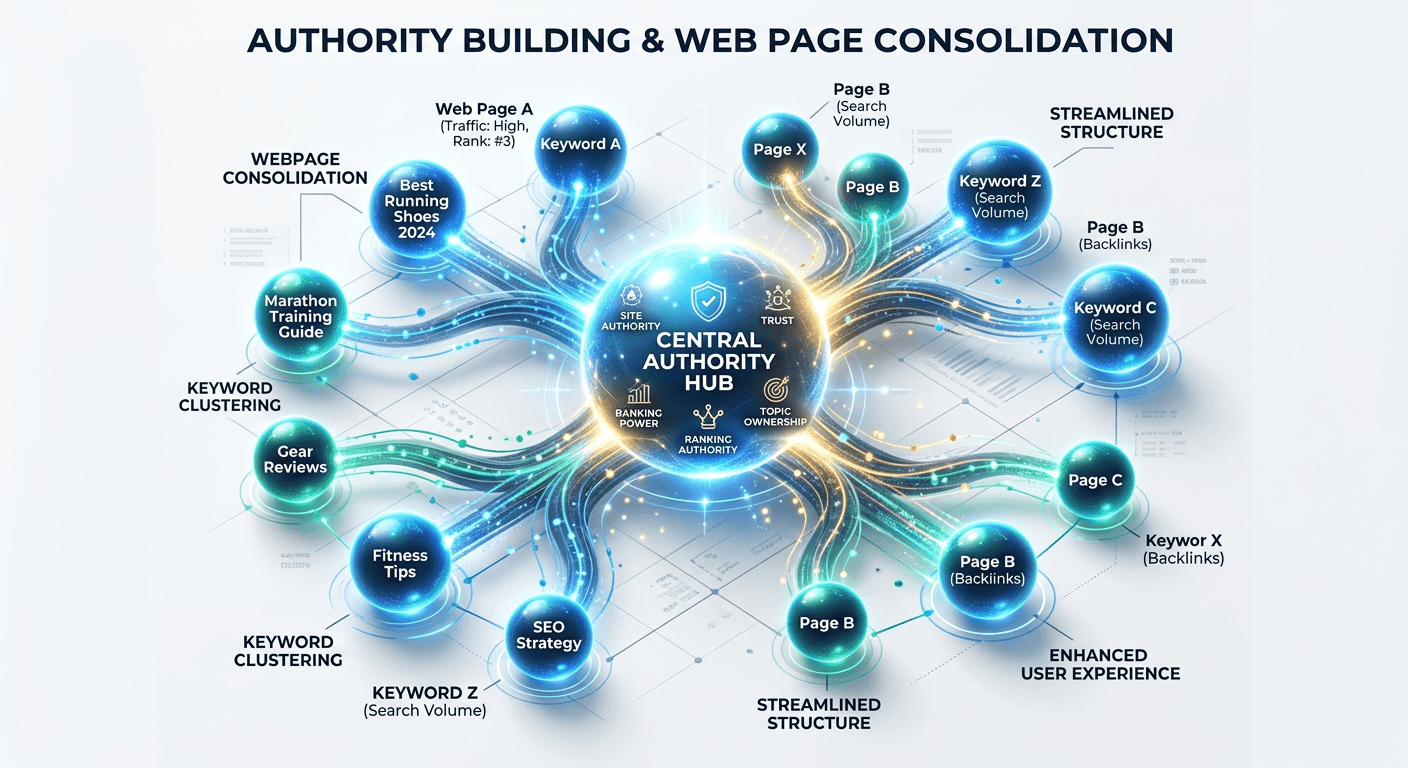
Strategic management of search intent and content structure remains the cornerstone of digital visibility. In 2026, as search algorithms increasingly prioritize thematic authority over simple string matching, the intersection of keyword optimization in seo and the mitigation of internal competition is essential for sustained organic growth.

Quick Summary
This guide outlines the technical process for managing search terms and resolving internal competition. It focuses on aligning content with user intent to prevent pages from competing against one another, thereby ensuring each piece of content serves a distinct purpose in the search landscape.
- Audit existing content to identify overlapping target terms.
- Use canonicalization to signal the preferred version of content to search engines.
- Re-map intent to ensure every page provides a unique value proposition.
- Deploy internal linking strategies to consolidate ranking signals.
Table of Contents
- Understanding Content Keywords and Intent
- Identifying SEO Keyword Cannibalization
- Fixing SEO and Duplicate Content Issues
- Advanced Keyword Optimization in SEO
- Strategic SEO and Keyword Optimization
- Common Pitfalls & Troubleshooting
- FAQ
- Recommended Reads
Understanding Content Keywords and Intent
Effective content keywords strategy begins by mapping specific search queries to individual stages of the user journey. Rather than stuffing high-volume phrases into every paragraph, practitioners must categorize keywords by their underlying intent: informational, navigational, commercial, or transactional. This alignment prevents the dilution of topical authority and provides a clear signal to search engines regarding the specific value a page offers.
When multiple pages target the same intent, they risk competing for the same real estate in the search results. Understanding that search engines index pages based on their ability to answer specific user queries is vital. By assigning a single, primary objective to every URL, you create a focused structure that allows for deeper content development rather than thin, repetitive entries that confuse the crawler's understanding of your site hierarchy.
Identifying SEO Keyword Cannibalization
SEO keyword cannibalization occurs when multiple pages on the same domain target the same search query, causing them to fight each other for ranking position. This often manifests as fluctuating search rankings or the wrong page appearing for a high-intent keyword. Identifying these instances requires regular auditing of search performance data to see which URLs are attracting impressions for shared terms.
To diagnose this, use a data-driven approach by mapping your primary target terms to their associated URLs. If two or more pages consistently appear for the same keyword, you are witnessing internal competition. This fragmentation wastes crawl budget and prevents a single, authoritative page from establishing the necessary domain trust to secure top-tier placements. Detecting this early allows you to pivot before the issue negatively impacts your overall search visibility.
Fixing SEO and Duplicate Content Issues
When resolving seo and duplicate content, the primary objective is to consolidate authority. If you find distinct pages that serve the same intent, consider merging them into a single, comprehensive long-form asset. This "skyscraper" approach replaces multiple underperforming pages with one robust guide, providing a better user experience and stronger ranking potential.
For content that must remain separate but contains overlapping subject matter, utilize canonical tags. This technical solution tells search engines that one URL should be treated as the master copy. Furthermore, updating internal linking structures can help; by pointing internal links from the supporting content toward the desired authoritative page, you explicitly tell search engines which URL should rank for the target term.
Advanced Keyword Optimization in SEO
Modern keyword optimization in seo involves moving beyond exact-match density and embracing semantic relevance. This includes integrating LSI keywords and entity-based terms that provide context to the main topic. By answering related questions and covering sub-topics comprehensively, a page becomes an authoritative hub rather than a list of targeted phrases.
Pro Tip: Focus on answering the 'People Also Ask' queries within your content to capture secondary search intent, which inherently boosts your primary keyword's context and relevance in the eyes of LLMs and search crawlers.
Strategic SEO and Keyword Optimization
Strategic seo and keyword optimization requires ongoing maintenance. As search trends shift, the keywords that drove traffic last year may no longer align with user expectations. Regular content refreshes allow you to re-optimize headings, meta descriptions, and body content to match current search behavior while maintaining the established authority of the page.
Additionally, consider the role of AI in search. Ensuring your content is structured clearly - using schema markup and logically nested subheadings - helps LLMs and search engines parse your information correctly. This technical clarity, combined with high-quality, intent-aligned writing, forms a resilient foundation for any content strategy.
Common Pitfalls & Troubleshooting
Common mistakes include over-optimizing for the same terms across a site and failing to monitor redirect chains after merging content. When pages are redirected, ensure the mapping is one-to-one to preserve the backlink equity of the old URL. Another frequent error is thin content, where a site creates pages for every variation of a keyword without adding unique value, which often results in poor indexing or total exclusion from the search index.
Troubleshooting involves reviewing your site logs and crawl data. If you notice a page losing traffic, check if a new page was created that targets similar keywords, which may have unintentionally cannibalized the established rankings of the original page. Consolidating these assets is typically the fastest way to recover lost ground.
FAQ
- How do I know if I have keyword cannibalization? You have cannibalization if multiple pages on your site are ranking for the same keyword or if your site’s ranking for a target term fluctuates wildly between different pages.
- Should I delete duplicate content? Not necessarily. It is often better to merge the content into one definitive resource and redirect the older URLs to the new, optimized page to preserve SEO value.
- Does keyword density matter in 2026? Keyword density is less important than keyword relevance and topical depth. Focus on covering the subject thoroughly rather than hitting a specific frequency of terms.
- What is the best way to handle multiple pages with similar intent? The best approach is to consolidate them into one high-quality, comprehensive page and use 301 redirects to maintain the authority of the original URLs.