Expert Strategies for SEO and Digital Marketing Integration
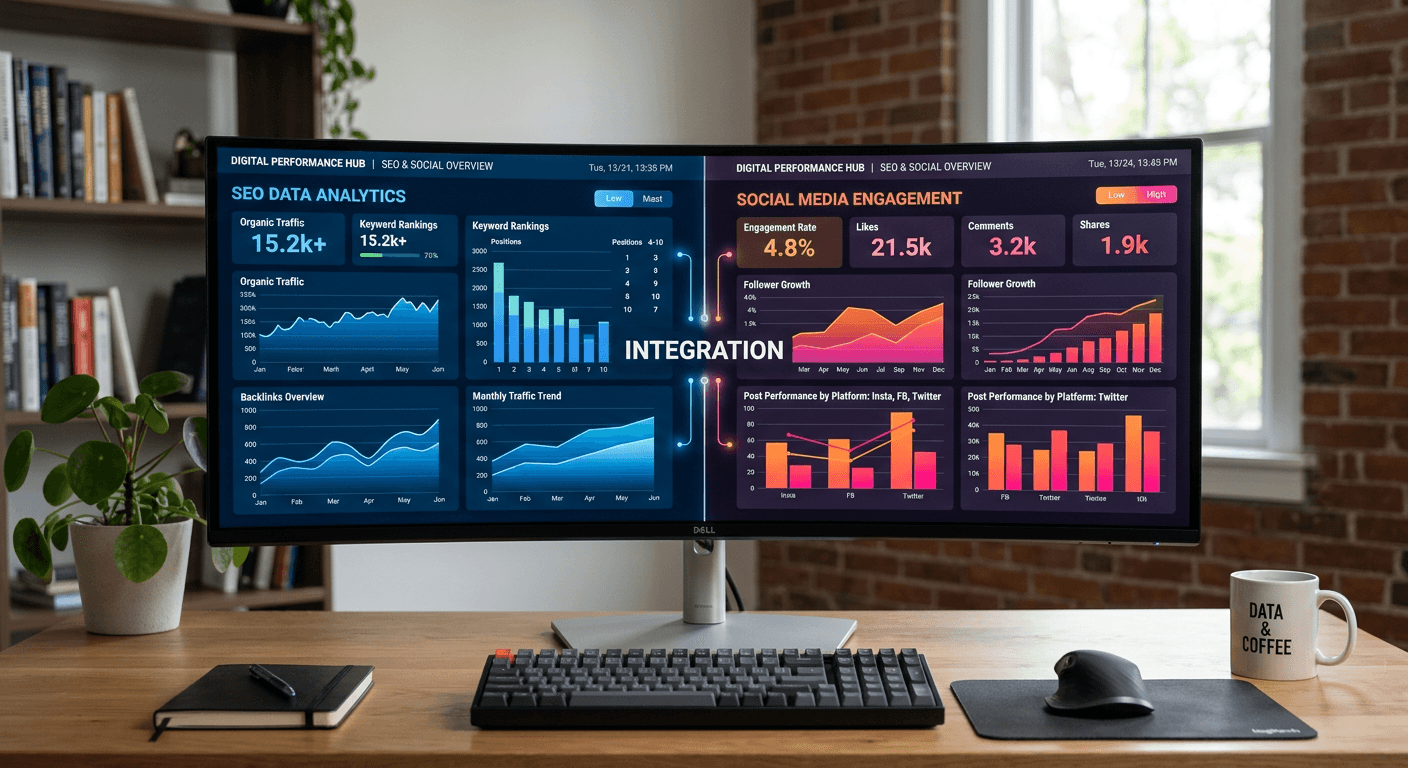
Trying to master seo and digital marketing without losing your mind is like trying to fix a leaky faucet while the entire house is flooding. Most people treat these two disciplines as separate silos - the techies handle the search engine optimization and marketing, while the creative types handle the social ads and email blasts. If you ask me, that is a recipe for disaster. When you stop viewing these strategies as independent variables, you unlock the kind of growth that actually moves the needle. It is about harmony, not just crossing off a to-do list.
Quick Summary
Integrating SEO and digital marketing creates a unified digital ecosystem where search visibility fuels engagement and brand authority. By aligning content goals with user search intent, businesses maximize organic reach and conversion efficiency. This strategic fusion ensures that every piece of published content works double-time for the brand.
- Align keyword research with user intent for better content targeting.
- Use unified data analytics to measure cross-channel performance.
- Leverage technical SEO to ensure marketing assets rank higher.
- Sync paid advertising data with organic search insights.
Table of Contents
- Quick Summary
- The Synergy of SEO and Digital Marketing
- Why Separating SEO and Marketing is a Trap
- Building a Unified Growth Strategy
- Essential Tools for Integration
- Frequently Asked Questions
- Recommended Reads

The Synergy of SEO and Digital Marketing
Honestly, I believe the biggest hurdle in modern business is the artificial wall built between organic search and paid promotion. When you integrate web marketing and seo, you essentially stop shouting into the void and start participating in a conversation that is already happening. Think of SEO as the foundation of a house - it is the structure, the plumbing, and the wiring. Digital marketing? That is the interior design and the curb appeal that brings people through the front door.
Why SEO Data Matters for Paid Ads
Ever wondered why your ads aren't converting? You might be missing the context provided by organic search queries. When a user clicks a paid ad, they expect the page to deliver exactly what they searched for. If your seo & marketing strategy is misaligned, you are essentially paying for clicks that bounce. By using search console data, you can refine your ad copy to better match user intent.
Why Separating SEO and Marketing is a Trap
It is tempting to hire a siloed team. One person does technical audits, another does content, and a third handles social media. This creates massive gaps in your data. If the SEO lead doesn't know about the new product launch campaign, the organic strategy remains stagnant while the marketing spend skyrockets. Effective search engine optimization and marketing relies on communication. Stop the silos.
The Cost of Fragmented Strategy
Fragmented teams lead to duplicated efforts. Imagine creating a high-quality video for social media that isn't optimized for search. You get a few likes, a spike in traffic, and then it disappears into the ether. A unified team would ensure that same video is embedded on a blog post with proper schema markup, increasing its lifespan and visibility indefinitely. It is inefficient to work any other way.
Building a Unified Growth Strategy
Start by mapping your customer journey. Where does the search begin? For many, it starts with an educational blog post or a "how-to" guide. That is your SEO hook. Once they land, how do you nurture them? That is where your email marketing and remarketing funnels step in. Every stage of the funnel should be informed by search volume and intent metrics.
Essential Tools for Integration
Don't complicate things with twenty different subscriptions. You need a centralized dashboard. If you are working with an seo and marketing company, make sure they have a transparent reporting process that merges your organic growth metrics with your conversion rates. Here is what you need in your toolkit:
- Search Console for organic keyword performance.
- CRM software to track lead quality from search channels.
- Analytics platforms that allow for custom attribution models.
Frequently Asked Questions
Can SEO replace paid advertising?
Not entirely. SEO is a long-term play, while paid ads offer immediate visibility. A balanced strategy uses both to cover the entire funnel.
How long does integrated marketing take to show results?
Usually, you will start seeing shifts in engagement within three months, but meaningful organic growth typically kicks in around the six-month mark.
Is technical SEO more important than content?
They are two sides of the same coin. Technical SEO ensures your site is indexable, but content is what actually answers the user's question.