10 Best Marketing Agency Websites to Study in 2026
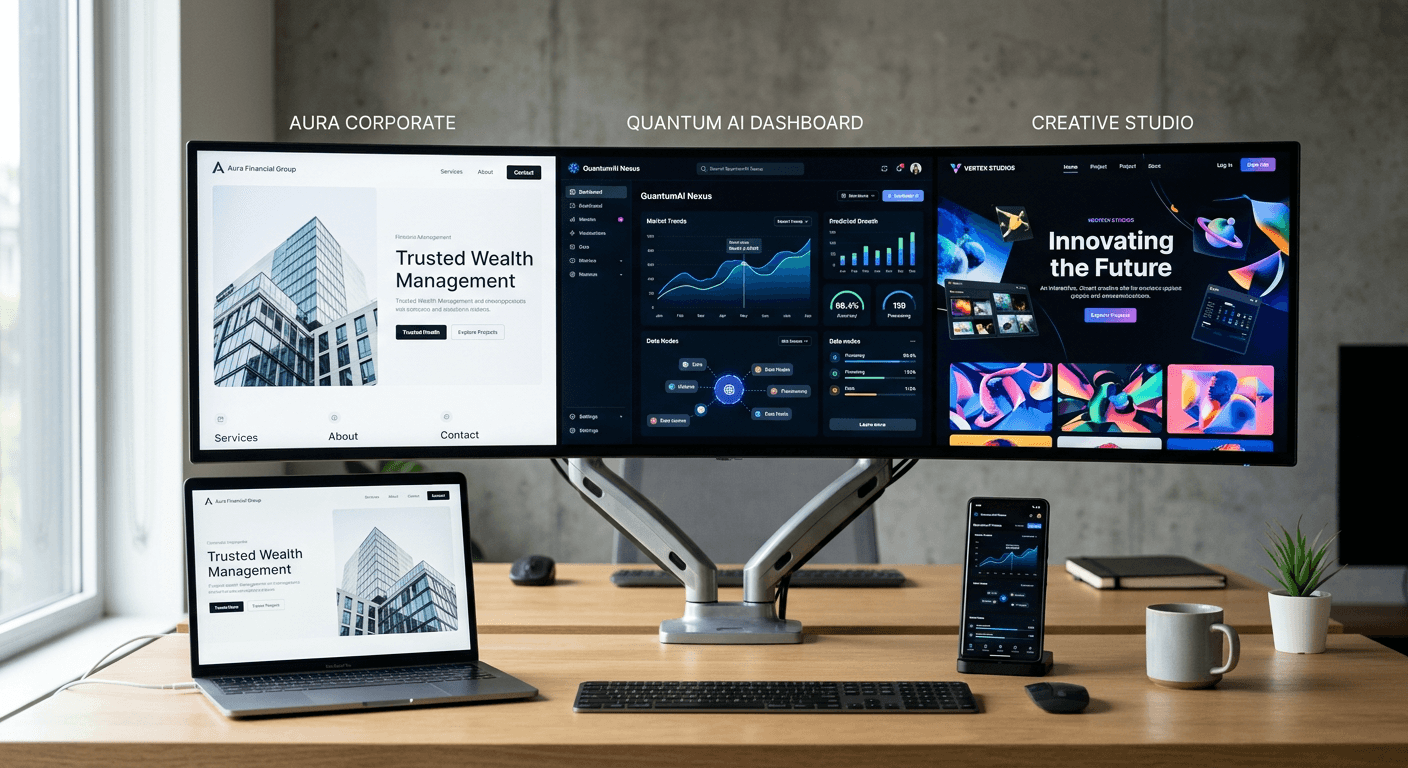
Designing a high-converting digital storefront is a critical challenge for modern agencies. The best marketing agency websites must balance aesthetic innovation with technical performance, ensuring that visitors understand the value proposition within seconds. As we enter 2026, the benchmark for the best marketing company websites has shifted from static portfolios to dynamic, AI-integrated hubs that serve as both product showcases and lead-generation engines.

Quick Summary
The best digital marketing agency websites in 2026 combine high-speed infrastructure, intuitive user experience design, and clear, intent-driven messaging. These platforms act as proof-of-concept for the agency’s capabilities, utilizing advanced technical SEO and automated conversion flows to turn casual visitors into qualified leads.
- Prioritize mobile-first responsiveness and sub-50ms latency.
- Integrate automated lead-capture systems and AI-driven chatbots.
- Showcase clear, data-backed case studies rather than vague promises.
- Utilize clean, distraction-free navigation to guide user journeys.
Table of Contents
- High-Conversion Portfolio Sites
- Minimalist Content-First Platforms
- Interactive Experimental Agencies
- Data-Driven Performance Hubs
- AI-Native Service Portals
- Buying Guide: How to Evaluate Agency Sites
- Frequently Asked Questions
- Recommended Reads
| Category | Core Features | Pros | Cons | Best For |
|---|---|---|---|---|
| Portfolio-Centric | Rich media, case studies | Builds immediate trust | Can be resource-heavy | Branding agencies |
| Minimalist | White space, typography | Highly professional | Can lack depth | Premium consultancies |
| Interactive | Motion graphics, 3D | Memorable UX | Slower load times | Creative studios |
| Performance | Live stats, API feeds | Data-backed authority | Dry aesthetic | SEO/PPC agencies |
| AI-Native | Chatbots, dynamic content | 24/7 engagement | Requires high upkeep | Tech-focused teams |
High-Conversion Portfolio Sites
These sites focus on aggressive conversion metrics. They utilize specific landing page architecture that guides users toward a discovery call or a free audit. For those focused on AI-driven SEO, these sites demonstrate the effectiveness of intent mapping through their own site architecture.
- Pros: Clear call-to-action paths; high lead conversion rates; focused messaging.
- Cons: Can feel somewhat repetitive; heavily reliant on form submissions.
Minimalist Content-First Platforms
Minimalist designs rely on sophisticated typography and whitespace to establish authority. These sites often host extensive libraries of educational content, positioning the agency as a thought leader. They are the best online marketing sites for agencies targeting high-ticket B2B clients who prioritize long-form expertise over flashy animations.
- Pros: Fast loading times; builds immense brand trust; excellent for long-term SEO.
- Cons: High content production demands; may not show immediate visual flair.
Interactive Experimental Agencies
Experimental sites push the boundaries of WebGL and motion design. While these are often not the best digital marketing agency websites for raw SEO performance, they serve as powerful status signals for boutique creative shops. They prove that an agency understands the cutting edge of digital interaction.
- Pros: Unforgettable user experience; showcases high-level technical skills.
- Cons: Can suffer from accessibility issues; high maintenance requirements.
Data-Driven Performance Hubs
Performance-focused hubs emphasize transparency. They often display real-time dashboard snapshots or live client impact metrics. These sites are the gold standard for firms looking to prove their LLM citation strategy and search ranking capabilities to skeptical, growth-oriented founders.
- Pros: Builds instant credibility through data; differentiates from "fluff" agencies.
- Cons: Requires constant backend integration to remain accurate.
AI-Native Service Portals
AI-native portals treat the website as a product in its own right. They integrate custom AI agents for 24/7 support and lead qualification. These sites represent the future of the industry, moving away from static brochures toward functional, automated automated content creation ecosystems.
- Pros: 24/7 conversion capabilities; highly scalable; demonstrates technical competence.
- Cons: Significant upfront setup complexity; requires specialized security oversight.
Buying Guide: How to Evaluate Agency Sites
When evaluating what constitutes the best internet marketing sites, practitioners should look beyond superficial design. First, examine the loading speed and technical infrastructure. An agency that does not optimize its own site for sub-50ms latency will likely fail to optimize yours.
Second, analyze the conversion journey. Are you forced to dig for contact information, or is the path to inquiry clear and unobstructed? The best online marketing website designs anticipate the user's intent, providing the right information at the exact moment it is needed. Always prioritize functionality over aesthetic trends.
Frequently Asked Questions
What makes a marketing agency website successful in 2026? A successful site balances technical speed, clear value propositions, and automated conversion paths that capture and nurture leads without manual intervention.
Do animation-heavy websites hurt SEO? Yes, if implemented without proper optimization. Excess JavaScript and heavy assets can increase load times, negatively impacting search rankings. Balance is key.
How important is AI integration for agency websites? It is becoming essential. AI-driven agents and content optimization tools provide a competitive advantage by shortening the sales cycle and keeping site content fresh.